Analysing the NDIS Accommodation Services in Frankston
Frankston is a thriving seaside city that offers a multitude of services to its citizens and is located in the southeast suburbs of Melbourne. People with disabilities now have more options for tailored care and support thanks to the National Disability Insurance Scheme (NDIS). One of the main services provided by the NDIS is accommodation support. Giving people the living arrangements they require to maintain their independence, safety, and high standard of living is its main objective.
If you or a loved one has a disability and is looking for NDIS accommodation services in Frankston, you have a lot of options. The different NDIS accommodation services that Frankston provides are outlined here.
Understanding NDIS Accommodation Supports
Proper housing is crucial for people with disabilities, as stated in the NDIS. Creating environments that promote independence, safety, and social integration is the aim of accommodation supports. These supports are tailored to each person’s needs, with a focus on creating living arrangements that allow participants to live their best lives.
Finding the Right Fit:
Choosing the right accommodation is a difficult decision. Consider the following crucial points:
- Individual Needs: Assess each participant’s particular requirements for physical, emotional, and social support.
- Location: Consider the proximity of family, friends, and essential services.
- Lifestyle Preferences: Evaluate whether the participant prefers to live alone or with others.
- Provider Compatibility: Confirm that the chosen provider shares the participant’s values and preferences.
- Finances: Acknowledge the available NDIS funding and confirm that it aligns with the chosen accommodation option.
Support for Independent Living (SIL)
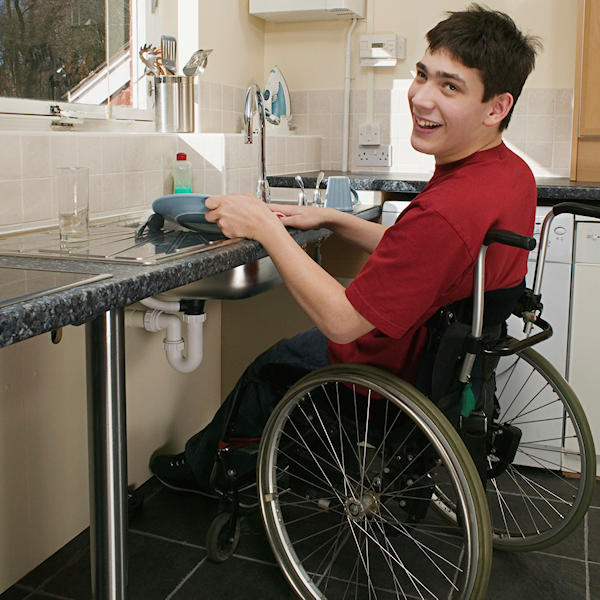
Supported Independent Living (SIL), one of the most popular NDIS accommodation services, is designed to assist people who need help with everyday tasks while preserving their independence. People with disabilities can live in their own home or shared housing thanks to SIL accommodations in Frankston, which offer on-site support staff available around-the-clock or during specified hours.
SIL provides a variety of support options according to each person’s needs. This can include assistance with cooking, personal hygiene, transportation, or money management. SIL is ideal for those who can live freely but require some help to ensure their safety and wellbeing.
Specialized Disabilities Accommodation (SDA)
Specialist Disability Accommodation (SDA), which is specifically designed for individuals with complex care needs due to their disability, is another NDIS-funded service for those with higher needs. The unique requirements of participants are taken into consideration when designing SDA properties, which provide a safe and supportive environment.
Frankston offers a variety of SDA housing options, such as fully accessible apartments and shared homes. Wheelchair accessibility, sensory-friendly spaces, and hoists are features shared by all of these options. SDA is a great option for people who need more specialized living arrangements and intensive support.
Short-Term Accommodations (STA)
Short-Term Accommodation (STA), sometimes known as respite care, offers temporary housing and support to individuals with disabilities. For those who need a break this service is ideal for a short vacation or to give their primary caregivers a break from their normal living situation.
Weekend retreats or overnight stays at hotels designed specifically to accommodate people with disabilities could be STA options in Frankston. These services will be especially helpful to caregivers who need a little respite while knowing their loved ones are getting high-quality care in a safe, supportive environment.
Support for In-Home Accommodations
For some people, living at home is the most comfortable option, but they may require additional help with daily tasks. In-home accommodation support allows people to remain in their homes while receiving assistance with household chores, personal care, and other essentials.
This support in Frankston can be tailored to your requirements, allowing for a more flexible and personalized lodging experience. The support staff is on hand to help with cleaning, meal preparation, and mobility in order to ensure a comfortable and safe living environment.
Group homes and shared housing
Group homes and shared accommodations are options for people who would prefer to live with others while receiving support from trained carers. These homes are designed to foster a sense of belonging and provide residents with the chance to form relationships with their roommates while receiving the assistance they require to go about their daily lives.
Frankston group homes are available in a variety of sizes and can accommodate multiple people sharing common spaces like kitchens, bathrooms, and living rooms. Depending on the Support services for residents’ needs are provided either during specific hours or all day. This option works well for individuals. who benefit from social interaction and support while maintaining a certain level of independence.
Independent Living Programs
For those who wish to learn how to live independently, Frankston’s NDIS providers offer Independent Living Programs (ILPs). These programs give participants more self-assurance in daily skills like budgeting, cooking, self-care, and other vital abilities needed for independent living.
For those who want to learn how to manage their lives on their own with minimal assistance while pursuing independent living in their own home or supported housing, independent living programs are a great option.
In summary, it requires careful consideration and getting ready to locate Frankston’s top NDIS accommodations. If people with disabilities are aware of their options, seek the appropriate help, and have greater autonomy and happiness in their lives, they can succeed. To ensure that the accommodation chosen meets each person’s needs and goals, collaboration with NDIS providers and support coordinators is essential.