

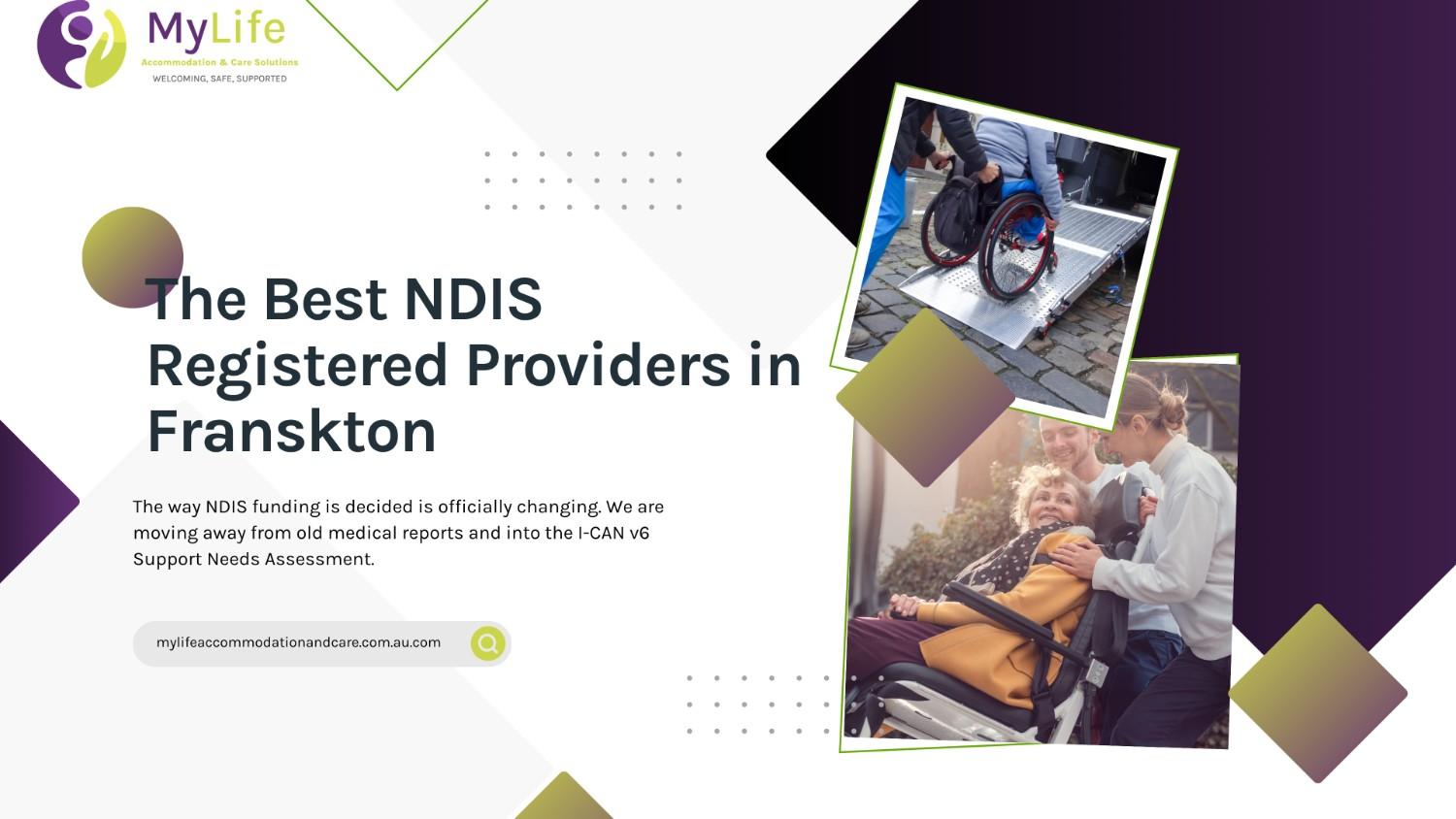
We are rapidly transitioning away from depending on Functional Capacity Assessments (FCAs) as a basis for general plan budgets and into a new approach, the I-CAN v6.
The I-CAN v6 Support Needs Assessment is changing how we create, fund, and review plans. For many participants, the main challenge isn’t only figuring out eligibility; it’s also about being understood clearly.
Under the new system, it’s more than someone’s disability. It’s about how clearly your support needs are documented, evidenced, and communicated.
That’s why many participants turn to a registered NDIS provider in Frankston to help them in preparing for the assessment and accessing services.
What is the I-CAN v6 Support Needs Assessment?
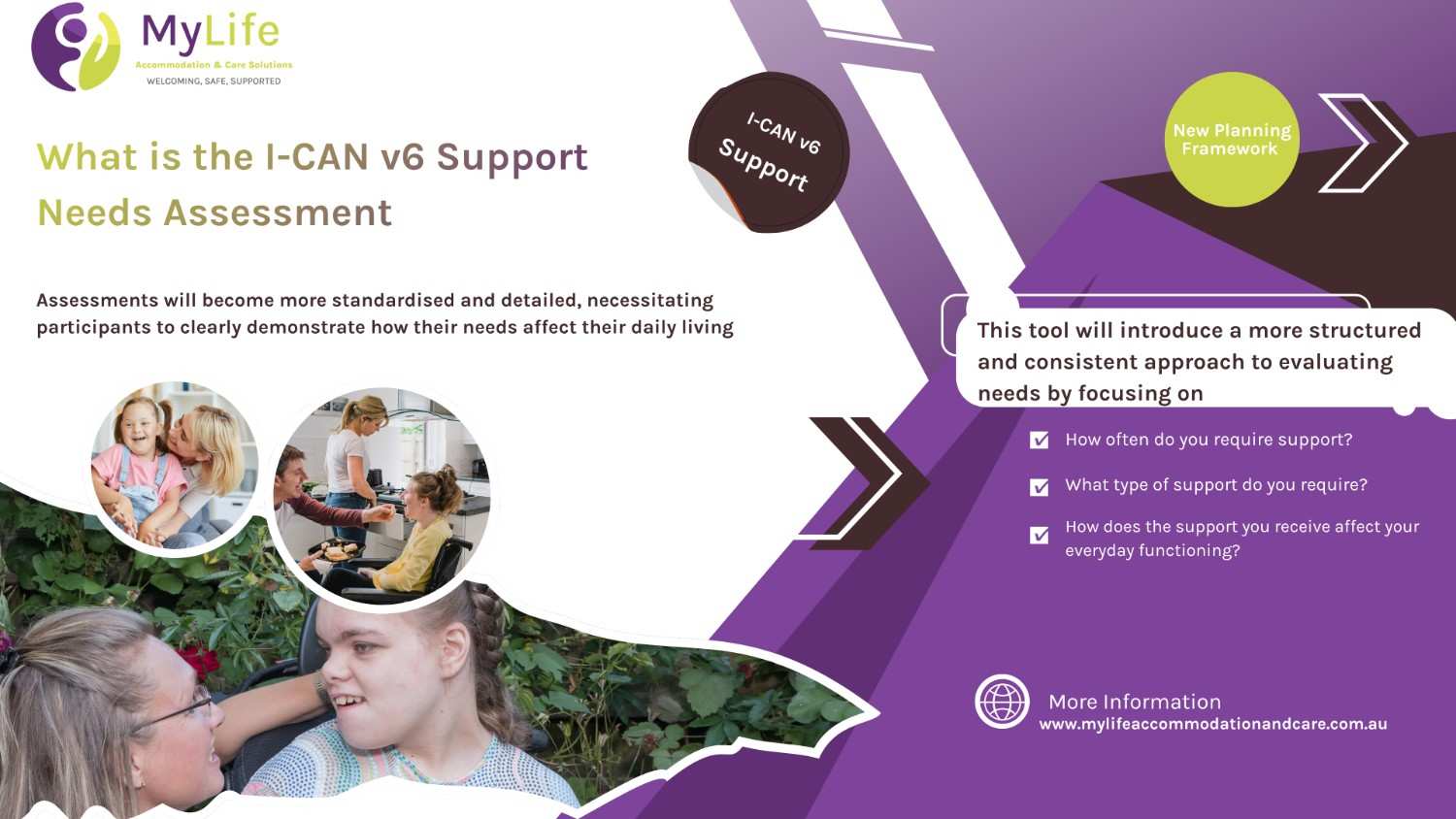
This tool will make it easier for participants and their families to navigate the NDIS. It will introduce a more structured and consistent approach to evaluating needs by focusing on:
- How often do you require support?
- What type of support do you require?
- How does the support you receive affect your everyday functioning?
This means that assessments will become more standardised and detailed, necessitating participants to clearly demonstrate how their needs affect their daily living.
Moving from Functional “Impairment” to “Support Needs”
However, the new model introduces a completely different path that emphasizes a new focus. The I-CAN looks at a participant’s support needs, not just their medical diagnoses. Although this is still relevant, I-CAN also looks at what participants need help with, not what they can’t do alone. It asks:
‘What support does this participant need to function daily, safely, and independently?’
This shift is significant because:
- It reflects substantial challenges and not only clinical limitations
- It encourages more personalized, realistic, and appropriate funding outcomes
- It aligns planning with a participant’s daily experiences and goals
For participants in Frankston, it’s now essential to clearly state your support needs. Doing this in practical and specific terms helps secure the right funding.
Why Frankston Participants Need a Registered Provider for the 2026 Transition
Many participants might struggle to:
- Convert their daily living experiences into structured assessment language
- Provide the right type of supportive evidence
- Confidently articulate their needs during planning meetings
This is why working with a registered NDIS Provider in Frankston is essential.
As a registered NDIS provider, MyLife Accommodation and Care supports its participants beyond service delivery. We help fill the gap between a participant’s daily living experiences and how those experiences need to be presented within the NDIS framework.
This includes:
- Preparing documentation that is deemed assessment-ready
- Identifying support needs that may be overlooked
- Integrating reports with I-CAN v6 expectations
- Supporting the participant during planning discussions
With the right guidance, participants are in a better position to receive plans that accurately reflect their support needs.
Checklist: Preparing for your First “New Framework” Plan Meeting
At MyLife Accommodation and Care, we encourage our participants to use the following checklist to guide their preparation:
Document your daily routine
Be clear and specific
Identify current challenges
Gather supporting documents
Define your goals
Seek support from the provider early
Local Frankston Advocacy and Assessment Support Hubs
These include:
- Local Area Coordinators (LACs)
- Allied health professionals, including occupational therapists, physiotherapists, and psychologists
- Community-based disability organisations
- Independent Advocacy Services
Although these various resources are all useful in supporting participants during the transition, they must ensure they are coordinated effectively. For instance, while LACs assist with initial setup, they typically do not provide case management.
MyLife Accommodation and Care can fill this gap by offering support coordination. We ensure that your reports, supports, and goals align under the new assessment framework.
Final Thoughts: Preparation is Power in 2026
Accredited assessors will hold structured interviews for up to three hours. They will cover 12 areas, including communication, self-care, and mobility.
To boost your chances of getting a personalized plan, prepare early. Communicate clearly and work with skilled service providers.
Frankston residents, now is the time to get informed, get organized, and find the right support. Under the new framework, clarity is essential.
Need Support Navigating the New NDIS Framework?
MyLifeAccommodationandCare offers:
- Tailored NDIS support services.
- Accommodation and care solutions.
- Guidance around assessments and planning.
- Ongoing support personalized to your needs.
Reach out today to explore ways on how you can prepare for your 2026 NDIS Plan with confidence.